Examples of ABA Therapy for Autism

ABA, or applied behavior analysis is considered to be the most optimal form of treatment for children diagnosed with Autism. This can mean a lot of things, however, as there are various different forms of ABA and how it is used as treatment. Examples of ways that ABA therapy is implemented is through discrete trial training (DTT), errorless teaching, and natural environment teaching (NET).
Benefits of ABA Therapy at Home: What to Expect

Applied behavior Analysis (ABA) is an evidence-based treatment for individuals diagnosed with Autism Spectrum Disorder. ABA is used to teach children with developmental delay complex skills such as communication, play, and social skills. Continuous data-driven research on ABA therapy has demonstrated the benefits of helping reduce challenging behaviors by implementing positive reinforcement. Therapy can take place in various settings such as schools, day centers, and homes.
Once a child has received a professional medical diagnosis, the family may begin to seek ABA services. One of the first steps is speaking with a board-certified behavior analyst (BCBA) to discuss the process of treatment for your child. A BCBA will be able to answer questions or concerns about ABA therapy.
What is ABA therapy for Children with Autism

Concerns over the treatment of autism have become progressively widespread amongst society today. Autism spectrum disorder (ASD) most commonly referred to as autism is a developmental disability that can cause social, communicative and behavioral deficits. Autism does not have any official physical symptoms, but researchers have found craniofacial anomalies in individuals diagnosed.
Autism is commonly described as a spectrum disorder because of the wide range of symptoms experienced by individuals. Some individuals can function independently whereas others may need substantial support to perform daily living activities. No one diagnosis of autism is identical, and it is important for people to avoid generalizations when interacting with a person that has autism.
Teaching Kids with Special Needs
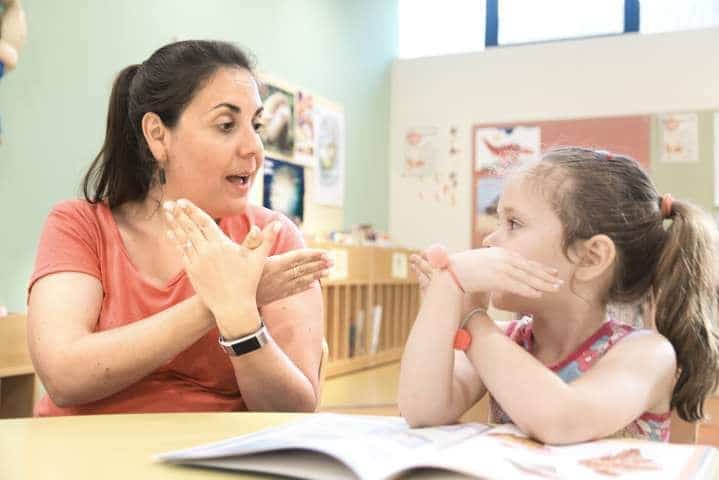
Teachers and parents of children with special needs must take an individualized approach to education. In order for these special children to truly learn, we must first understand what they are capable of accomplishing. Each child’s educational capacity is different, so it is important to be understanding and supportive of the child’s unique abilities. When teaching kids with special needs, avoid making harsh judgments or comparisons to other children.
This can lead to the child being discouraged and unmotivated in school matters. It is important for the student to learn in a supportive and blame-free environment. Children learn best in a work area that is free of distractions, judgment, and noise. This may require creating a personal study space, providing ear plugs and removing all disturbances (iPad, cellphone, TV) before the child begins to study.
Causes of Autism: What Causes Autism in Children?
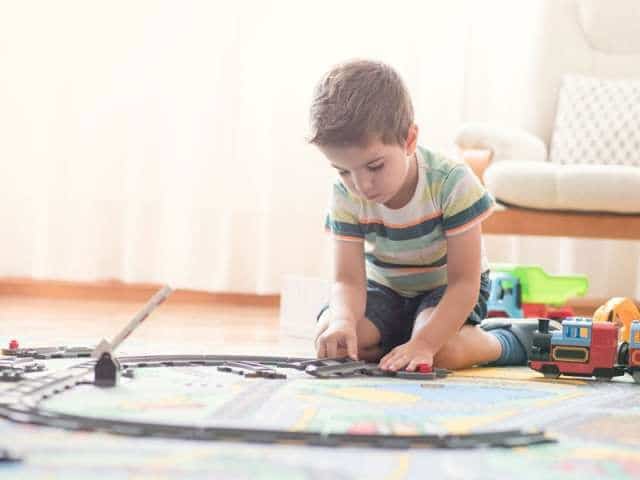
One of the many questions parents ask themselves once their child is diagnosed with autism spectrum disorder (ASD) is “Did we do something wrong? What caused this?” While it is understandable that parents and caregivers want to hear concrete answers, there isn’t a definitive one at the time. The behavioral differences of many individuals with autism are so apparent that it seems intuitive that the causes would also be obvious.
Challenges Teens with Autism Face

Hanging out with friends after school and on the weekends is a vital part of a teen’s social life. But for teens with autism spectrum disorders (ASDs), social activity outside of school is a rarity, finds a new study by Paul Shattuck, PhD, autism expert and assistant professor at the Brown School at Washington University in St. Louis.
“We looked at data from the National Longitudinal Transition Study 2 (NLTS2), a group of over 11,000 adolescents enrolled in special education,” he says.
Managing Elopement in Children with Autism

If you have a child that elopes, you are probably all too familiar with the stress and worry that come with knowing your child may wind up in a dangerous situation within a blink of an eye. Elopement is a significant safety concern that can have deadly consequences.
You may have deadbolts and latches on your doors and windows. Going on vacation or visiting with friends or relatives may have you on high alert. You may often feel anxious and on edge with constantly having to monitor your child’s whereabouts.
Does Autism Go Away with Age?

It is not uncommon to question whether Autism spectrum disorder will “go away” or improve over time. In order to address the former, “can Autism spectrum disorder go away,” one must acknowledge that a diagnosis, while not a negative thing, is generally permanent across a person’s lifespan.
Can Autism Spectrum Disorder Improve with Age?
So to answer the latter of ‘will autism improve over time’, while Autism spectrum disorder cannot necessarily completely go away, in the full sense, the diagnostic symptoms described in the DSM-5 that separate children from their peers can be improved and, in fact, that is a very reasonable goal. This goal can be accomplished by clients, to the highest success, with the aid of early intervention and radical improvement due to the best treatment/intervention/practitioners.
What does ABA Therapy for Toddlers look like?

ABA or Applied Behavior Analysis is an evidence-based treatment for individuals with Autism Spectrum Disorder (ASD). Parents who might speculate their child is showing early signs of ASD should begin by getting a professional evaluation. Once a medical diagnosis is given for autism spectrum disorder, parents can consult with a qualified board-certified behavior analyst (BCBA). BCBA’s have extensive training in the principles of applied behavior analysis that has been successfully used in treatment for individuals with ASD.
A Parent’s Guide to Autism Spectrum Disorder

If your child has recently been diagnosed with autism spectrum disorder (ASD), there are likely many emotions you’re feeling and scenarios running through your mind. However, it can provide clarity and result in a starting point for navigating the next steps in your child’s life. Like many major life events, learning your child has autism will affect everyone in your family; even your network of friends. I
t’s no surprise that you will go through many new positive and challenging experiences, face many emotions and be forced to make many hard decisions. Caregivers often feel relief or comfort when their child is officially diagnosed as it solidifies and validates suspicions they’ve had, but also brings an overwhelming amount of stress and thoughts of “what do I do next?”
What is Autism Spectrum Disorder? A Guide
Autism spectrum disorder (ASD), or autism, is a developmental disability that refers to a broad range of characteristics that are categorized into two groups: deficits in social communication and restrictive/repetitive behaviors. Each of these categories outline a broad range (spectrum) of potential symptoms that one may display. Additionally, there are varying strengths and challenges an individual with autism faces and they are typically diagnosed with a severity level (level 1-3). According to the CDC, “People with ASD often have problems with social, emotional, and communication skills.
They might repeat certain behaviors and might not want change in their daily activities. Many people with ASD also have different ways of learning, paying attention, or reacting to things. Signs of ASD begin during early childhood and typically last throughout a person’s life.” Autism affects an estimated 1 in 54 children in the United States, which is twice as great as the 2004 rate of 1 in 26 (CDC, 2021). Autism is about four times more common among boys than girls, however, it occurs in all racial, ethnic and socioeconomic groups. Learn more about autism red flags here.