Movies Featuring Characters on the Autistic Spectrum

So many people enjoy watching movies that Hollywood produces and releases year to year. There have been many documentaries, made for TV and smaller scale films on autism that will not be listed here. Achieve Beyond pediatric therapy lists some of the more well known films that have elements and characters with Autism Spectrum Disorders in them. We hope you enjoy this posting on films with characters on the autistic spectrum. If you have more great films on autism to suggest please do so in our comments section below. Happy viewing everyone. I Am Sam (1998)Starring: Sean Penn, Dakota Fanning, Michele Pfeiffer The story of an autistic man living independently and functioning well in the real world until his life changes drastically when he becomes a father and is left to care for his small child.
Fun Winter Activities for Kids with Special Needs

When winter hits there are still lots of fun activities for special needs children. It doesn’t matter what level your children are at, you can find something fun and creative to do together. Help them to grow both mentally and physically and create great memories together in the process. Make the winter season a memorable time of the year. Feel free to share other exciting winter activity ideas in the comments section below. Sensory Snow – Playing in the snow is a great sensory activity. Children can make snowballs, snow men, snow angels, forts, go sledding and more. It is one of the most enjoyable activities during the chilly winter months. Playing in the snow is a great activity, but have you ever tried painting it? All that is needed are squirt bottles filled with food colored water.
10 Autism Quotes For Special Needs Parents

Achieve Beyond serves children on the autistic spectrum nationwide on a daily basis. We believe that quotes are a very memorable way to get powerful messages across that leave a lasting impression. We have compiled some of our favorite autism spectrum quotes to share with you from unknown authors, to Autism activist Temple Grandin to brilliant minds like Albert Einstein.
We hope these quotes inspire you enjoy these quotes and please feel free to share more with us in the comment section below or share this post on your favorite social network like Facebook or Twitter as well.
Developmental Guidelines: What Most Babies Do at 36 Months
Social and Emotional Copies adults and friendsShows affection for friends without promptingTakes turns in gamesShows concern for crying friendUnderstands the idea of “mine” and “his” or “hers”Shows a wide range of emotionsSeparates easily from mom and dad Language/Communication Follows instructions with 2 or 3 stepsCan name most familiar thingsUnderstands words like “in”, “on”, and “under”Says “I”, “me”, “we”, “you” and some plurals (cars, dogs, cats)Talks well enough for strangers to understand most of the time Cognitive (Learning, Thinking, Problem-Solving) Can work toys with buttons, levers and moving partsPlays make-believe with dolls, animals and peopleDoes puzzles with 3 or 4 piecesUnderstands what “two” meansCopies a circle with pencil or crayonTurns book pages one at a timeBuilds towers of more than 6 blocksScrews and unscrews jar lids or turns door handle Movement/Physical Development Climbs wellRuns easilyPedals a tricycle (3 wheel bike)Walks up and down stairs, one foot on each step Red Flags For…
Developmental Guidelines: What Most Babies Do at 24 Months
Social and Emotional Copies others, especially adults and older childrenGets excited when with other childrenShows more and more independenceShows defiant behavior (doing what he has been told not to)Plays mainly beside other children but is beginning to include other children, such as in chase games Language/Communication Says sentences with 2 to 4 wordsRepeats words overheard in conversationKnows names of familiar people and body partsFollows two-step instructions such as “Pick up your shoes and put them in the closet”Points to things in a book Cognitive (Learning, Thinking, Problem-Solving) Finds things even when hidden under two or three coversBeings to sort shapes and colorsCompletes sentences and rhymes in familiar booksPlays simple make-believe gamesBuilds towers of 4 or more blocksNames items in a picture book such as cat, bird or dog Movement/Physical Development Stands on tiptoeKicks a ballBegins to runClimbs onto and down from furniture without helpWalks up and down stairs holding onMakes or…
Developmental Guidelines : What Most Babies Do at 18 Months
Social and Emotional Likes to hand things to others as playMay have temper tantrumsMay be afraid of strangersShows affection to familiar peopleMay cling to caregivers in new situationsPoints to show others something interestingExplores alone but with parents close by Language / Communication Says several single wordsSays and shakes head “no”Points to show someone what he wants Cognitive (Learning, Thinking, Problem-Solving) Knows what ordinary things are for; for example telephone, brush, spoonPoints to get the attention of othersShows interest in a doll or stuffed animal by pretending to feedPoints to one body partScribbles on his ownCan follow 1-step verbal commands without any gestures; for example, sites when you say “sit down” Movement/Physical Development Walk aloneMay walk up steps and runPulls toys while walkingCan help undress herselfDrinks from a cupEats with a spoon Red Flags For 18 Month Old Babies Doesn’t point to show things to othersDoesn’t gain new wordsCan’t walkDoesn’t have at…
Developmental Guidelines: What Most Babies Do at 12 Months

Social and Emotional Is shy or nervous with strangersCried when mom or dad leavesShows fear in some situationsHands you a book when he wants to hear a storyRepeats sounds or actions to get attentionPuts out arm or leg to help with dressingPlays games such as “peek-a-boo” and “pat-a-cake” Language/Communication Responds to simple spoken requestsUses simple gestures, like shaking head “no” or waving “bye-bye”Makes sounds with changes in tone (sounds more like speech)Says “mama” and “dada” and exclamations like “uh-oh”Tries to say words you say Cognitive (Learning, Thinking, Problem-Solving) Explores things in different ways, like shaking, banging and throwingFinds hidden things easilyLooks at the right picture or thing when it’s namedCopies gesturesStarts to use things correctly; for example drinks from a cup, brushes hairFollows simple directions like “pickup the toy” Movement/Physical Development Gets to a sitting position without helpPulls up to stand, walks holding on to furniture (“cruising”)May take a few steps…
Developmental Guidelines: What Most Babies Do at 9 Months
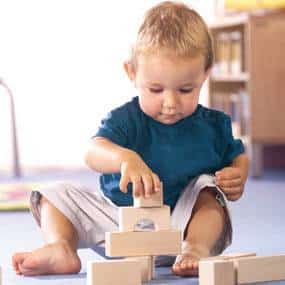
Social and Emotional May be afraid of strangersMay be clingy with familiar adultsHas favorite toys Language / Communication Understands “no”Makes a lot of different sounds like “mamamama” and “bababababa”Copies sounds and gestures of othersUses fingers to point at things Cognitive (Learning, Thinking, Problem-Solving) Looks around for things he sees you hidePlays peek a booPuts things in her mouthPicks up things between thumb and index finger Movement/Physical Development Stands holding onCan get into sitting positionSits without supportPulls to standCrawls Red Flags For 9 Month Old Babies Doesn’tbeat weight on legs with supportDoesn’t seem to recognize familiar peopleDoesn’t sit with helpDoesn’t look where you pointDoesn’t babble (“mama”, “dada”, “baba”)Doesn’t transfer toys from one hand to anotherDoesn’t play any games involving back and forth playDoesn’t respond to own name Have a question? Want to learn more? Leave a comment at the bottom of this blog or email reachforthestars@achievebeyondusa.com and we will do our best to…
Developmental Guidelines : What Most Babies Do at 6 Months

Social and Emotional Knows Familiar faces and begins to know if someone is a strangerLikes to play with others, especially parentsResponds to other people’s emotions and often seems happyLikes to look at self in mirror Language/Communication Responds to sounds by making soundsString vowels together when babbling (“ah”, “eh” , “oh”) and likes taking turns with parent while making sounds.Responds to own nameMakes sounds to show joy and displeasureBegins to say consonant sounds (jabbering with “m”, “b”) Cognitive (Learning, Thinking, Problem-Solving) Looks around at things nearbyBrings things to mouthShows curiosity about things and tries to get things that are out of reachBegins to pass things from one hand to the other Movement/Physical Development Rolls over in both directions (front to back, back to front)Begins to sit without proper supportWhen standing, supports weight on legs and might bounceRocks back and forth, sometimes crawling backward before moving forward Red Flags For 6 Month Old…
Developmental Guidelines: What Most Babies Do at 4 Months
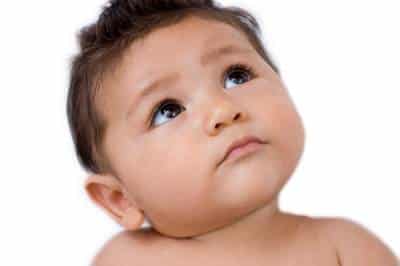
Social and Emotional Smiles spontaneously, especially at peopleLikes to play with people and might cry when playing stopsCopies some movements and facial expressions, like smiling and frowning Language/Communication Begins to babbleBabbles with expression and copies sounds he hearsCries in different ways to show hunger, pain, or being tired Cognitive (Learning, Thinking, Problem-Solving) Lets you know if she is happy or sadResponds to affectionsReaches for toy with one handUses hands and eyes together, such as seeing a toy and reaching for itFollows moving things with eyes from side to sideWatches faces closelyRecognizes familiar people and things at a distance Movement/Physical Development Holds head steady, unsupportedPushes down on legs when feet are on a hard surfaceMay be able to roll over from tummy to backCan hold a toy and shake it and swing at dangling toysBrings hands to mouthWhen lying on stomach, pushes up to elbows Red Flags For 4 Month Old Babies…