Family Reunion Tips

As summer is in full gear, many family reunions take place that can be challenging for children with ASD. It is not uncommon to encounter some difficulties related to changes in our environment and how we deal with them. This article is intended to provide some helpful tips based on the principles of ABA to help you make a positive and successful experience during family reunions! Regardless if you have ASD, there will always be a mix of personalities when relatives gather together. Therefore, we need to be realistic with our expectations on what we expect from our children during the gatherings such as family reunions. Tip 1: Pair your relatives: If you are concerned that your child will refrain from engaging with relatives whom they don’t get to see as often, re-arrange the environment in such a way so that your child will want to interact with their relatives. Bring…
Identifying language delays in young children
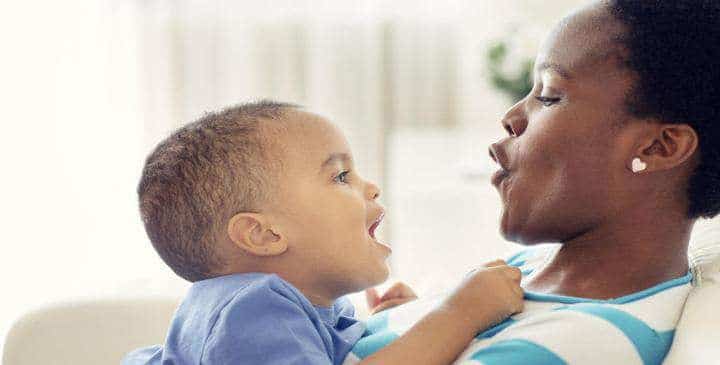
Children develop language skills at different times. Language development can also depend on a variety of factors including: their natural ability to learn language, other skills that they are learning at the same time, how much talking they hear during the day and what kind of response is given to when they do speak or attempt to speak (“Late Blooming or Language Problem?”)
According to the American Speech-Language-Hearing Association (ASHA), there are several risk factors to consider when analyzing a potential learning delay
Valentine’s Day Sensory Bin

Sensory bins are such a inexpensive and fun activity you can do with your children during holidays. Toddler and preschool age children benefit from the different activities that can be incorporated with them. They are also very popular for children with special needs or developmental delays. Who doesn’t love an activity that is fun and encourages your child to learn at the same time? The best part is that you can buy everything that you need at a dollar store!
Vestibular Sensory Processing
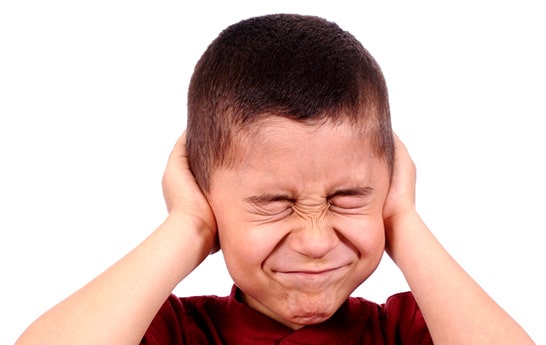
What is Vestibular Sensory Processing?
The vestibular system is responsible for receiving information as the body moves through its environment. Located within the inner ear, the vestibular system receives sensory information from head movement and gravity to maintain balance, equilibrium and movement through space. Movement and balance is necessary for children to explore their environment. It is also important in the development of emotional security and confidence. For children, vestibular movement can include running, jumping, swinging, or spinning. If a child is hyperresponsive to vestibular input, they will often avoid too much movement because it makes their body feel unbalanced and insecure. If a child is hyporesponsive to vestibular input they may seek excessive amounts of movement that could be considered unsafe at times.
The Autistic Me

BBC did an amazing documentary on the transition from childhood to adulthood when having autism. They shared the daily life and struggle of three men. It also shows how this struggle does not only effect the individual, but their family as well. Documentaries like these help those of us that are not effected by autism, understand their lives. Knowledge is power, and with knowledge comes understanding.
Easter Bunny for Special Needs

Autism Speaks partnered with Simon Property Group, Inc. and the Noerr Programs Corporation on their Caring Bunny program. This program bring a controlled and friendly environment for children with special needs to meet the Easter Bunny. It is also a great oppourtunity for special needs families to meet and socialize with one another. The Caring Bunny program is active throughout the United States. To get a full list of the dates and times go to the Autism Speaks website. Here are the dates that are within the states that Achieve Beyond services:
Autistic Child Speaks for the First Time After Accident

Watch the video below about an incredible young man who was diagnosed with autism and did not speak a word until the age of 8. After a drunk driver ran his car into Nikko’s bedroom one evening and brought him to near death, he miraculously spoke his first sentence. Since then, he has not stopped talking.
The New Look of Achieve Beyond!

If you have not noticed, we have a new website! We’re really excited about it, and we hope you are, too. A lot of thought and planning was involved. Our goal being simply to provide you with the best “user experience” possible. If you have any questions having to do with the website please contact us at webmaster@achievebeyondusa.com. Otherwise, enjoy roaming through our new design!
Arts and Crafts Ideas for Special Needs Children
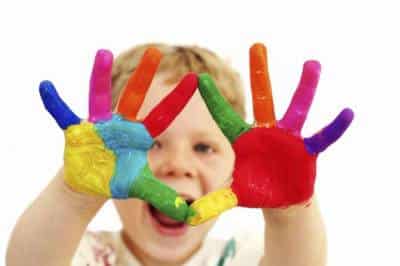
Achieve Beyond Pediatric Therapy and Autism Services provides special needs children with the services they need to stop developmental delays from occurring. Arts and crafts are a great way for special needs children to support and encourage children to express feelings, enhance their social skills and cognitive functioning, resolve frustrations they may have, fosters coping skills, and increases their use of sensorimotor skills including hand-eye coordination and sensory stimulation. Here are 5 great arts and crafts ideas that would make great activities to do with special needs children. Feel free to add your own ideas in the comments sections below. We hope you enjoy these arts and crafts ideas and share them with your friends and family.
20th Anniversary!
February 11, 2015, we celebrated our 20th year in business! Here is a message from Dr. Trudy Font Padron, Founder & Programs Executive Director: For 20 years, Achieve Beyond has remained true to our mission of offering qualitatively strong services and evaluations. We teach using current, empirically proven interventions and work collaboratively with family members to ensure excellence and results. At Achieve Beyond, we also work tirelessly to ensure compliance with regulations. Our clinical supervision program, including teaching ABA techniques, is exemplary and we remain committed to maintaining the highest standards of performance in the future.