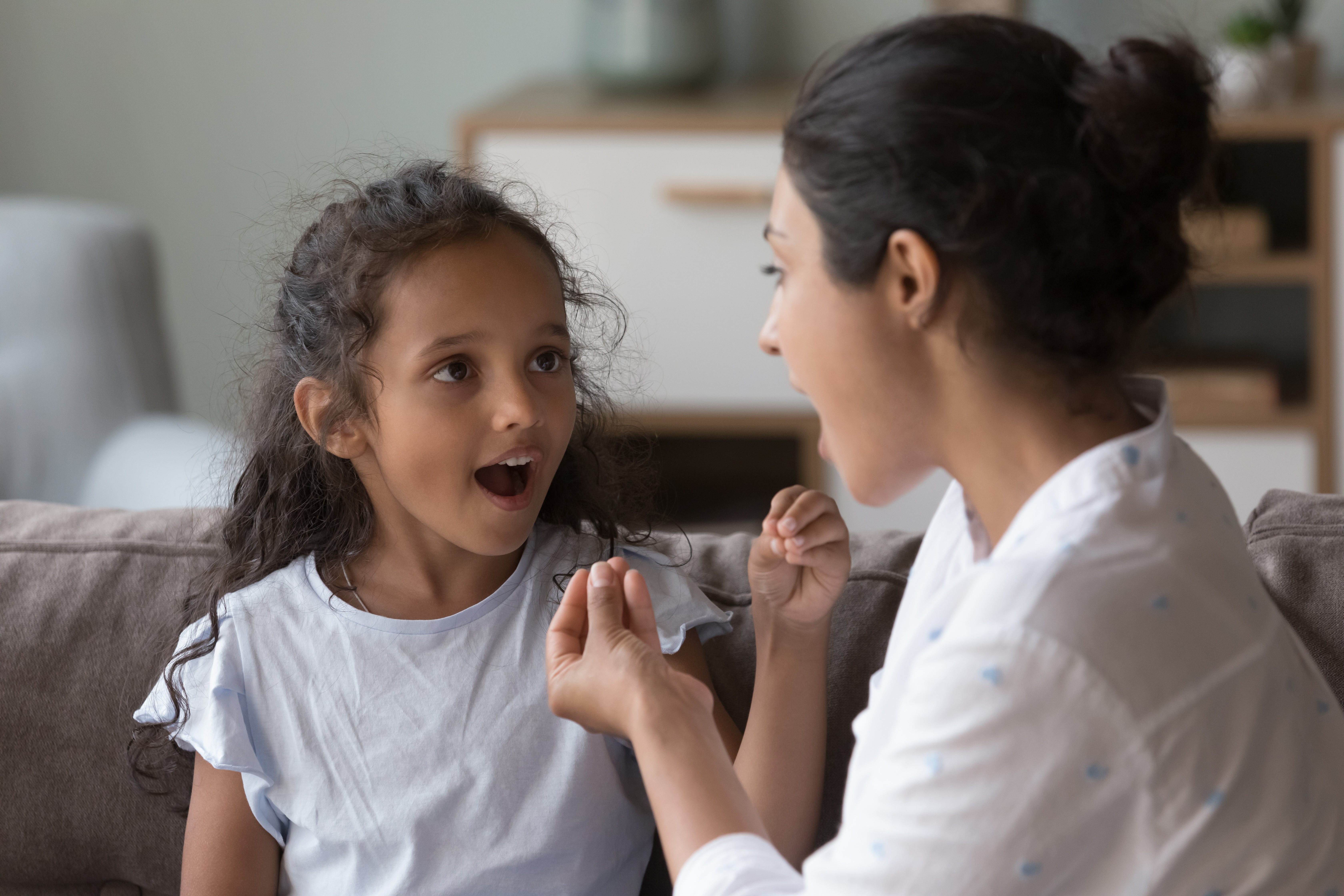
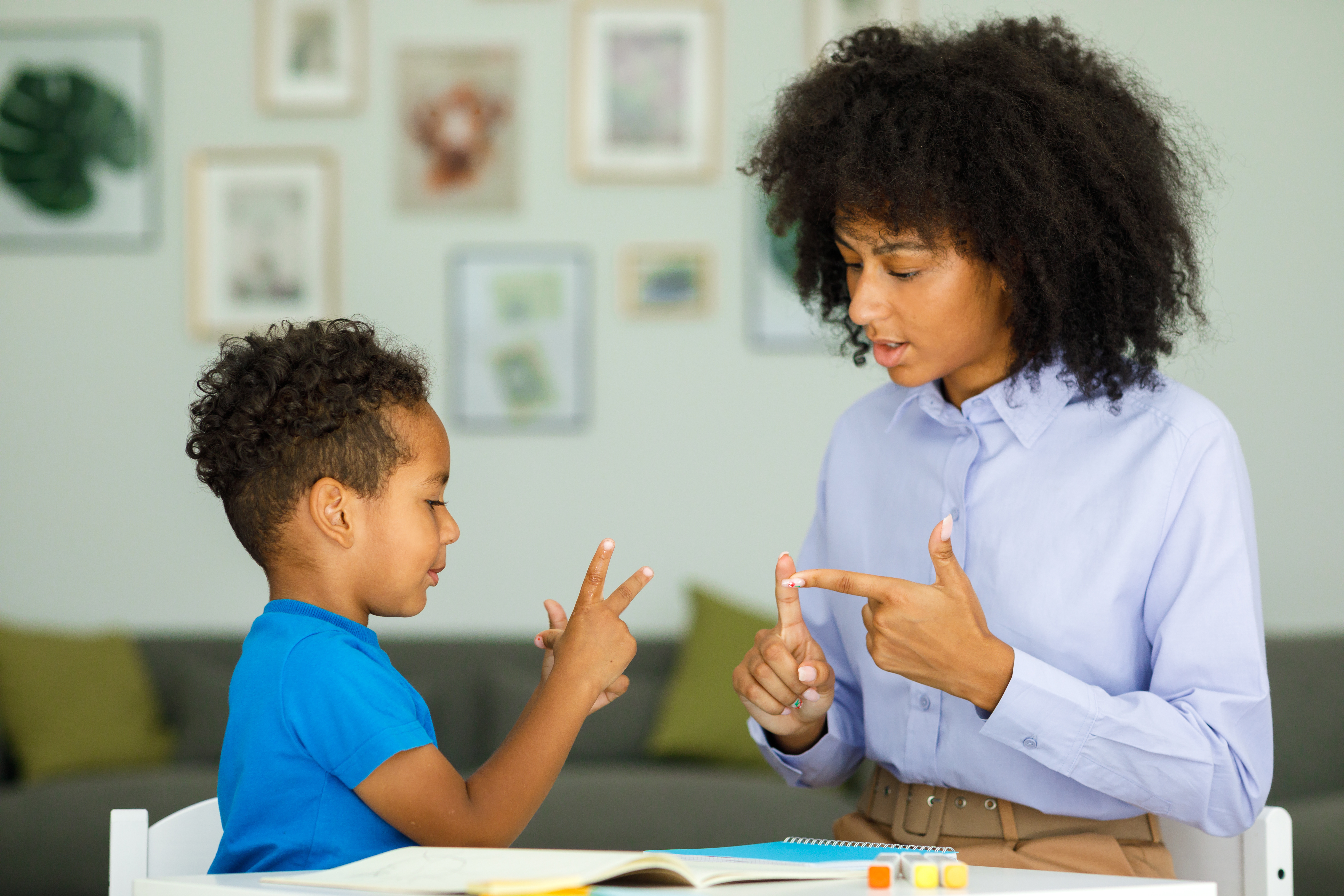
A parent asks a toddler what they want for breakfast. The child points toward the cabinet, makes a sound, and becomes frustrated when the parent chooses the wrong item. In another home, a preschooler talks constantly, but unfamiliar adults have difficulty understanding what they say. Both children are communicating, but they may be experiencing very different speech or language challenges.
Speech and Language Are Not the Same Thing
Speech describes how we produce sounds and words. Language is the larger system we use to understand and communicate ideas. A child can have difficulty with speech, language, or both.
Expressive language refers to how a child communicates thoughts, wants, and ideas. Receptive language refers to how a child understands what other people say. Speech production includes areas such as articulation and how clearly sounds are produced. Social communication also matters, including taking turns, using language with other people, and adjusting communication to the situation.
Parents may notice that a young child is using very few words or gestures to communicate, has difficulty combining words as language develops, does not seem to understand familiar directions, or frequently becomes frustrated because they cannot communicate what they want.
For an older toddler or preschooler, concerns may include speech that is consistently difficult for familiar or unfamiliar listeners to understand, difficulty answering simple questions, limited sentence development, trouble participating in back-and-forth conversation, or difficulty using language during play.
Late talking is one of the most common reasons families begin researching speech therapy. Some children who begin speaking later make progress on their own, while others benefit from additional support. The number of words a child uses is only one part of the picture.
Speech Clarity Matters Too
A child can have a large vocabulary and still need help with speech. Young children naturally simplify some sounds while learning to talk, but persistent difficulty producing sounds can make communication frustrating.
Parents often notice this when they understand their child because they know the context, while teachers, relatives, or other children frequently ask the child to repeat themselves. When reduced speech clarity begins to affect participation or confidence, it may be worth discussing with a professional.
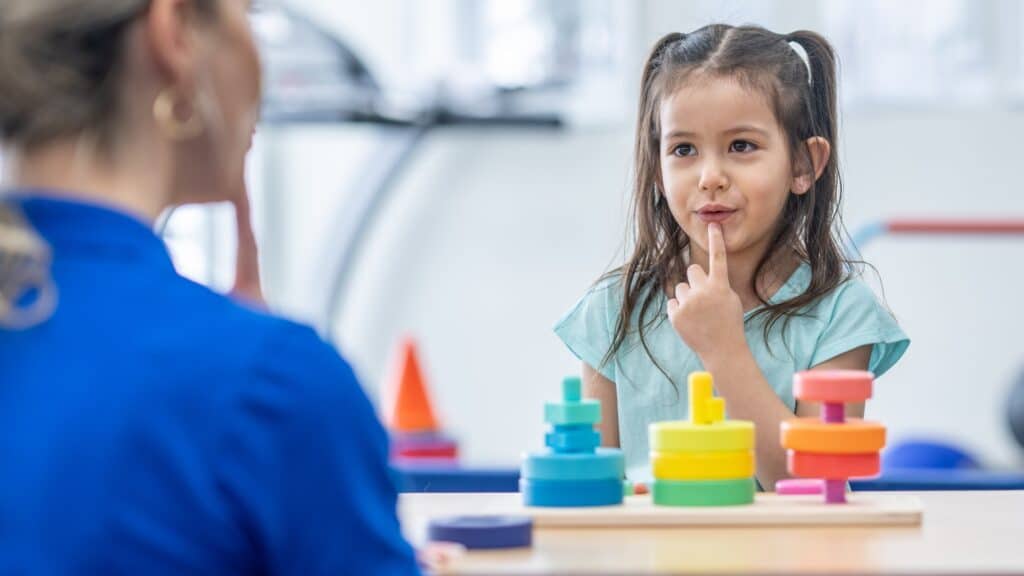
An evaluation is designed to understand how a child communicates, not simply to count mistakes. Depending on the child’s age and needs, a speech-language pathologist may observe play and interaction, listen to speech sounds, look at how the child follows directions, evaluate expressive and receptive language, and ask caregivers about communication in everyday routines.
The goal is to identify strengths as well as areas that may need support. If therapy is recommended, goals are individualized. One child may work on producing certain sounds, another may focus on understanding language, and another may work on communicating wants and needs more independently.
Everyday interaction provides valuable opportunities for language. Parents can narrate simple routines, expand on what a child says, read together, pause to give the child time to respond, and follow the child’s interests during play.
When to Reach Out
If communication concerns persist, a child seems frustrated by communication, skills are not progressing, or a child loses language they previously used, families should discuss those concerns with an appropriate healthcare professional. An evaluation can provide more information about what the child is doing well and where additional support may help.
Achieve Beyond provides pediatric speech and language therapy services focused on helping children communicate more effectively in the routines and relationships that matter to them.
 Achieve Beyond was established in 1995 and is a leading provider of pediatric therapy and educational services dedicated to helping children reach their full potential. Through a multidisciplinary team of experienced professionals, Achieve Beyond provides individualized services across Applied Behavior Analysis (ABA), speech and language therapy, occupational therapy, physical therapy, special education and other developmental areas.