What Is Early Intervention and How Can It Help My Child?

What is Tactile Sensory Processing?
The tactile system receives information from the environment around us through receptors on our skin that receive touch. Our body then is able to interpret this information and decide how to respond to it. Tactile sensory processing is necessary to develop skills needed for daily activities and social relationships. When the brain has difficulties understanding and responding to tactile information it may be expressed as hyperrosponsiveness or hyporesponsiveness.
What Does a Special Education Teacher Do in Early Intervention?

What is Tactile Sensory Processing?
The tactile system receives information from the environment around us through receptors on our skin that receive touch. Our body then is able to interpret this information and decide how to respond to it. Tactile sensory processing is necessary to develop skills needed for daily activities and social relationships. When the brain has difficulties understanding and responding to tactile information it may be expressed as hyperrosponsiveness or hyporesponsiveness.
Speech Delay vs. Autism: What’s the Difference?

What is Tactile Sensory Processing?
The tactile system receives information from the environment around us through receptors on our skin that receive touch. Our body then is able to interpret this information and decide how to respond to it. Tactile sensory processing is necessary to develop skills needed for daily activities and social relationships. When the brain has difficulties understanding and responding to tactile information it may be expressed as hyperrosponsiveness or hyporesponsiveness.
Tips for Preparing a Child With Autism for Holiday Gatherings

What is Tactile Sensory Processing?
The tactile system receives information from the environment around us through receptors on our skin that receive touch. Our body then is able to interpret this information and decide how to respond to it. Tactile sensory processing is necessary to develop skills needed for daily activities and social relationships. When the brain has difficulties understanding and responding to tactile information it may be expressed as hyperrosponsiveness or hyporesponsiveness.
How to Help a Child With Transitions and Changes in Routine

What is Tactile Sensory Processing?
The tactile system receives information from the environment around us through receptors on our skin that receive touch. Our body then is able to interpret this information and decide how to respond to it. Tactile sensory processing is necessary to develop skills needed for daily activities and social relationships. When the brain has difficulties understanding and responding to tactile information it may be expressed as hyperrosponsiveness or hyporesponsiveness.
Sensory Processing in Children: Signs Your Child May Be Struggling
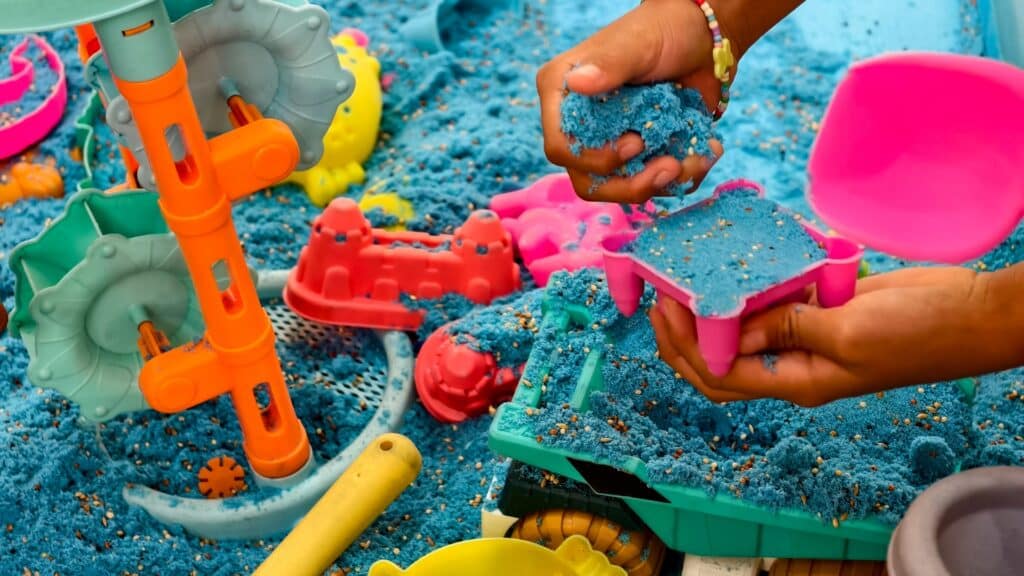
What is Tactile Sensory Processing?
The tactile system receives information from the environment around us through receptors on our skin that receive touch. Our body then is able to interpret this information and decide how to respond to it. Tactile sensory processing is necessary to develop skills needed for daily activities and social relationships. When the brain has difficulties understanding and responding to tactile information it may be expressed as hyperrosponsiveness or hyporesponsiveness.
Does My Child Need Speech Therapy? Signs Parents Should Look For

What is Tactile Sensory Processing?
The tactile system receives information from the environment around us through receptors on our skin that receive touch. Our body then is able to interpret this information and decide how to respond to it. Tactile sensory processing is necessary to develop skills needed for daily activities and social relationships. When the brain has difficulties understanding and responding to tactile information it may be expressed as hyperrosponsiveness or hyporesponsiveness.
What Are the Early Signs of Developmental Delays in Toddlers?
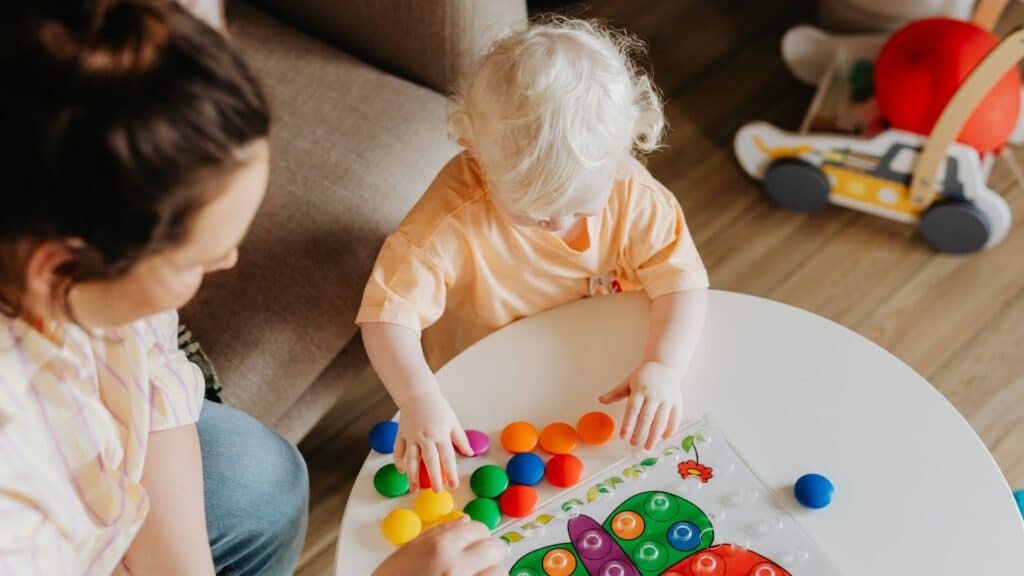
What is Tactile Sensory Processing?
The tactile system receives information from the environment around us through receptors on our skin that receive touch. Our body then is able to interpret this information and decide how to respond to it. Tactile sensory processing is necessary to develop skills needed for daily activities and social relationships. When the brain has difficulties understanding and responding to tactile information it may be expressed as hyperrosponsiveness or hyporesponsiveness.
L Words Speech Therapy Exercises

Home L Words Speech Therapy Exercises Written By: Michelle E. Sisto, MS CCC-SLP TSSLD S Understanding the Articulation of Speech Sounds Articulation is described as “the formation of clear and distinct sounds in speech”. When producing sounds, we use a variety of body parts known as “articulators”, that include the tongue, lips, upper teeth, alveolar […]
Understanding Asperger’s Syndrome: History, Characteristics, and Diagnosis

Home Understanding Asperger’s Syndrome: History, Characteristics, and Diagnosis Written By: Melanie Bren, BCBA, LBA What is Asperger’s Syndrome? Asperger’s Syndrome, until the publication of the Diagnostic and Statistical Manual of Mental Disorders (DSM-5) used to be its own diagnosis. The term was synonymous with “high functioning autism.” Asperger’s syndrome, was different than other ASDs because […]