When a child points to a snack, tries a new word, or finds a way to tell a caregiver what they need, communication is doing important work. Pediatric speech therapy supports more than clear pronunciation. Depending on the child, it may address understanding language, expressing ideas, social communication, speech sounds, and other communication needs.
What Pediatric Speech Professionals Support
Speech-language professionals assess a child’s communication strengths and challenges, then use individualized strategies to support functional progress. For one child, that may mean expanding the words they use. For another, it may involve understanding directions, practicing speech sounds, or using an alternative communication method.
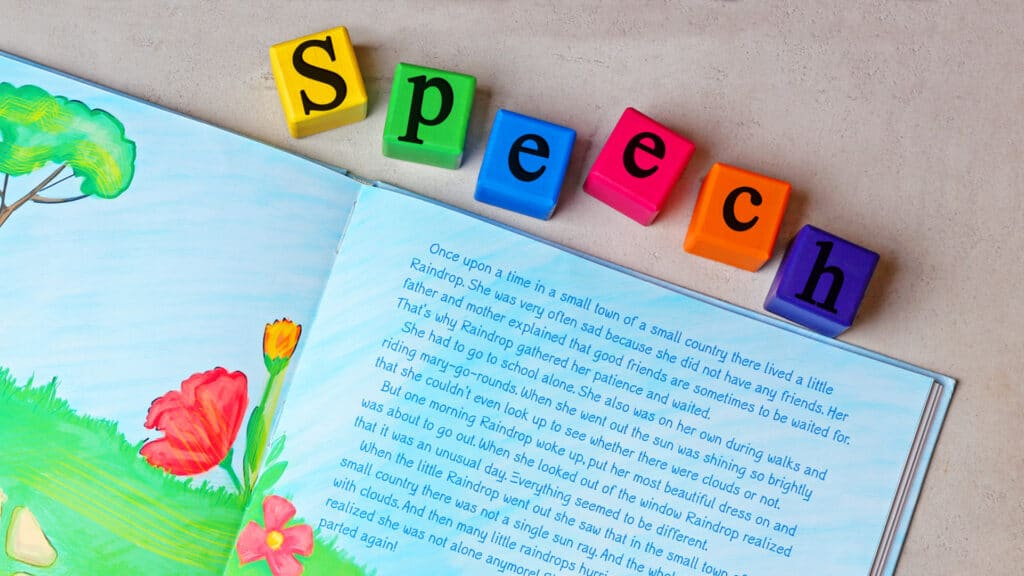
Therapy often looks playful because play provides natural reasons to communicate. A clinician might use books, songs, pretend play, or familiar toys to encourage turn-taking and language. The activity is engaging, but the underlying goals are intentional and informed by the child’s developmental needs.
Why Communication Goals Extend Beyond Sessions
A new skill becomes especially meaningful when a child can use it with family members, teachers, or peers. That is why collaboration is an important part of pediatric speech therapy. Clinicians may share practical ideas with caregivers, explain what they are working toward, and help families recognize opportunities for communication during ordinary routines.
The work also involves careful observation. Communication can take many forms, and children develop at different rates. Effective clinicians listen closely, adapt their strategies, and measure progress in ways that reflect each child’s individual goals.
Considering a Career in Pediatric Speech Therapy
Pediatric speech therapy can appeal to professionals who value both clinical problem-solving and close collaboration with families. It offers the chance to support skills that influence learning, relationships, and independence. Speech-language professionals interested in working with children can explore speech therapy career opportunities and applicable qualifications on Achieve Beyond’s careers page.
 Achieve Beyond was established in 1995 and is a leading provider of pediatric therapy and educational services dedicated to helping children reach their full potential. Through a multidisciplinary team of experienced professionals, Achieve Beyond provides individualized services across Applied Behavior Analysis (ABA), speech and language therapy, occupational therapy, physical therapy, special education and other developmental areas.